
A growing collection.
Always here to read.
Explore every article we have published, from the latest edition to earlier discoveries. Search a subject, choose a topic or revisit a particular month.
Longevity
7 articles · Newest source date first
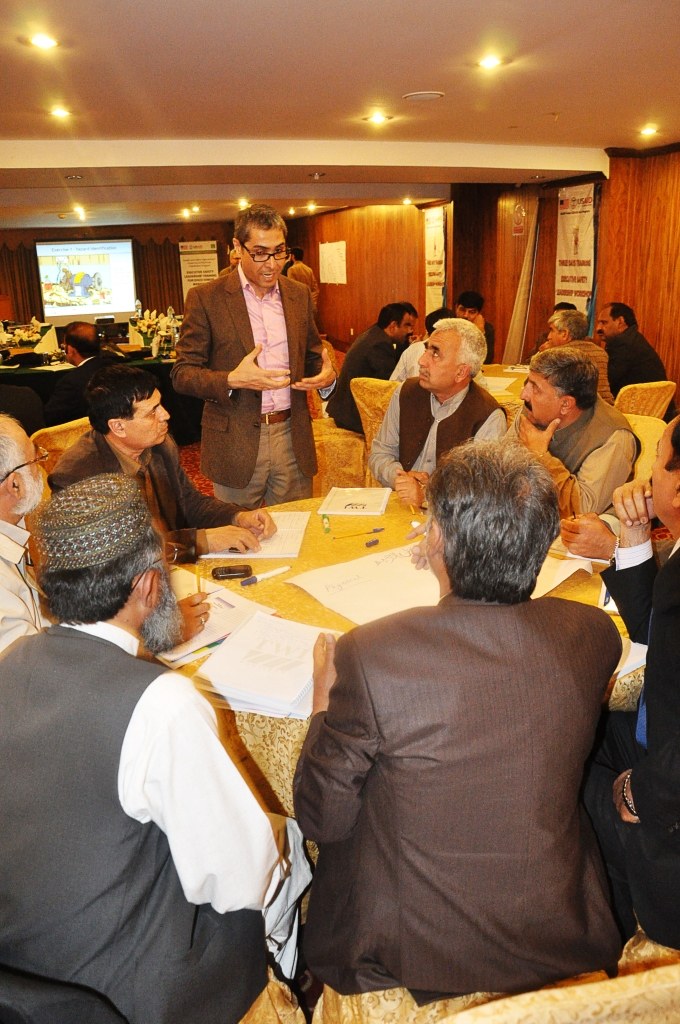 WHO/Europe event announcement (training)
Added to Healthway:
WHO/Europe leadership course on healthy ageing (Bilbao 2027)
Three‑day in‑person leadership training to support implementation of the WHO European ‘Ageing is living’ strategy, open to senior decision‑makers and sector leaders across the Region.
Read article →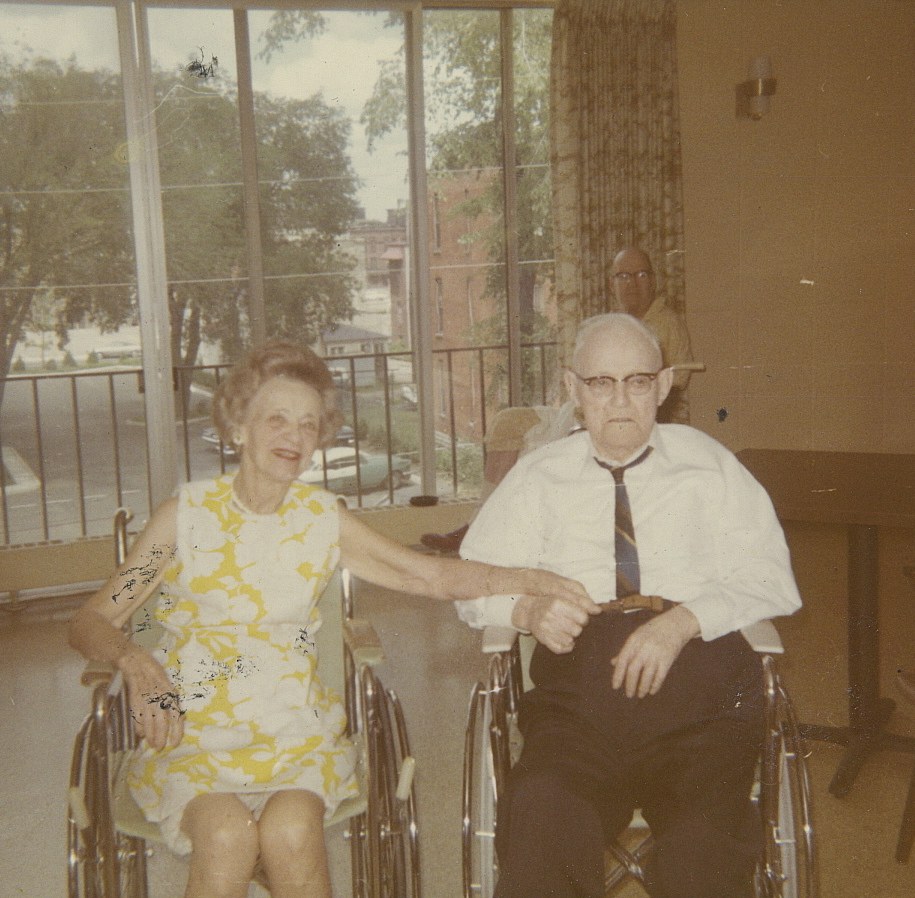 WHO webinar announcement (event)
Added to Healthway:
WHO webinar for UN International Day of Older Persons 2026
WHO will hold a webinar on 1 October 2026 to discuss rethinking systems so added years of life are healthier and more dignified for older people, at mid‑point of the UN Decade of Healthy Ageing.
Read article → Midterm report, UN Decade (2021–2030)
Added to Healthway:
UN Decade of Healthy Ageing midterm: progress, persistent gaps
WHO-led midterm report finds more countries adopting age-friendly policies but highlights financing, data and coverage shortfalls.
Read article →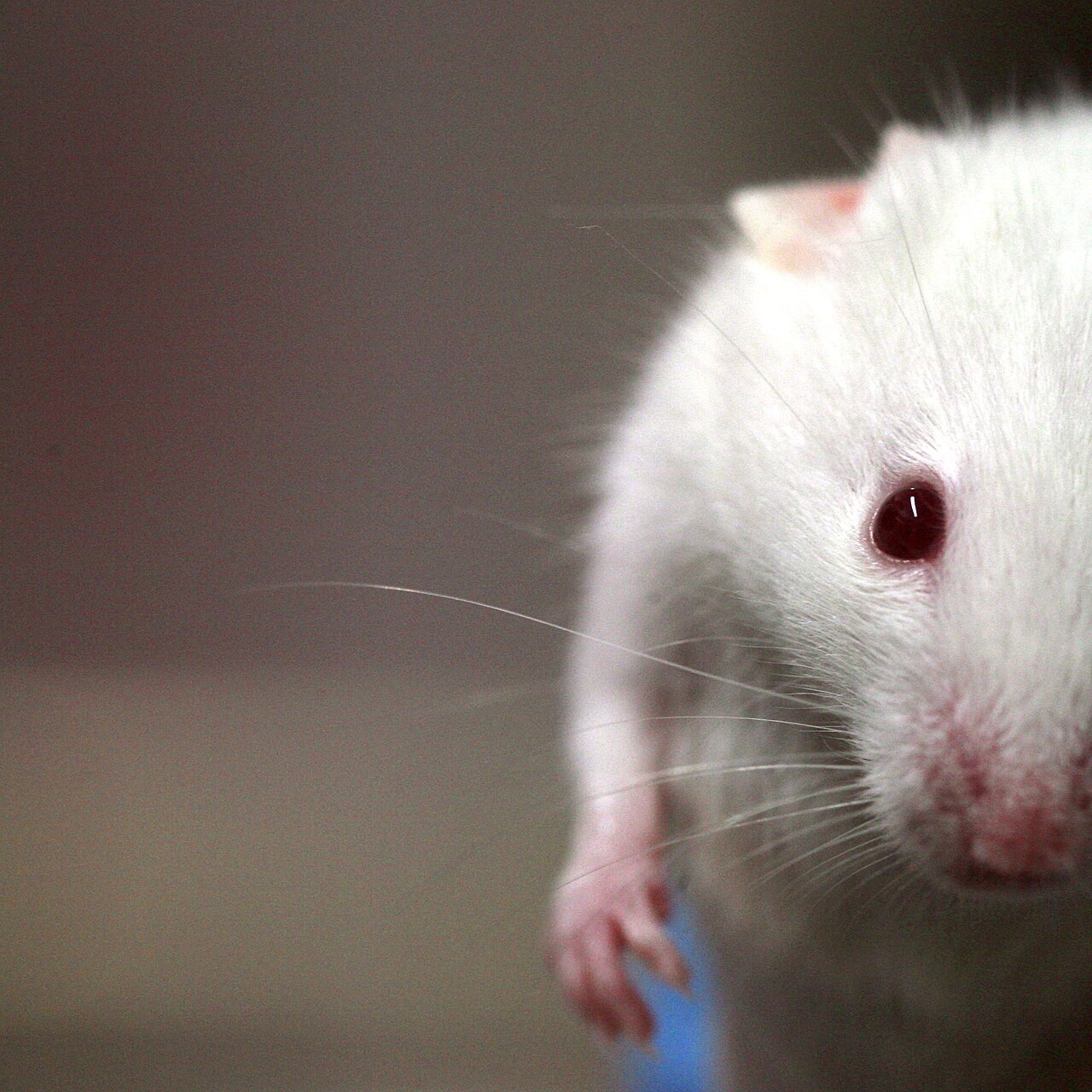 Preclinical study in mice
Added to Healthway:
Semaglutide and ageing: promising mouse results need human testing
An experiment in older female mice found functional benefits and a longer lifespan.
Read article →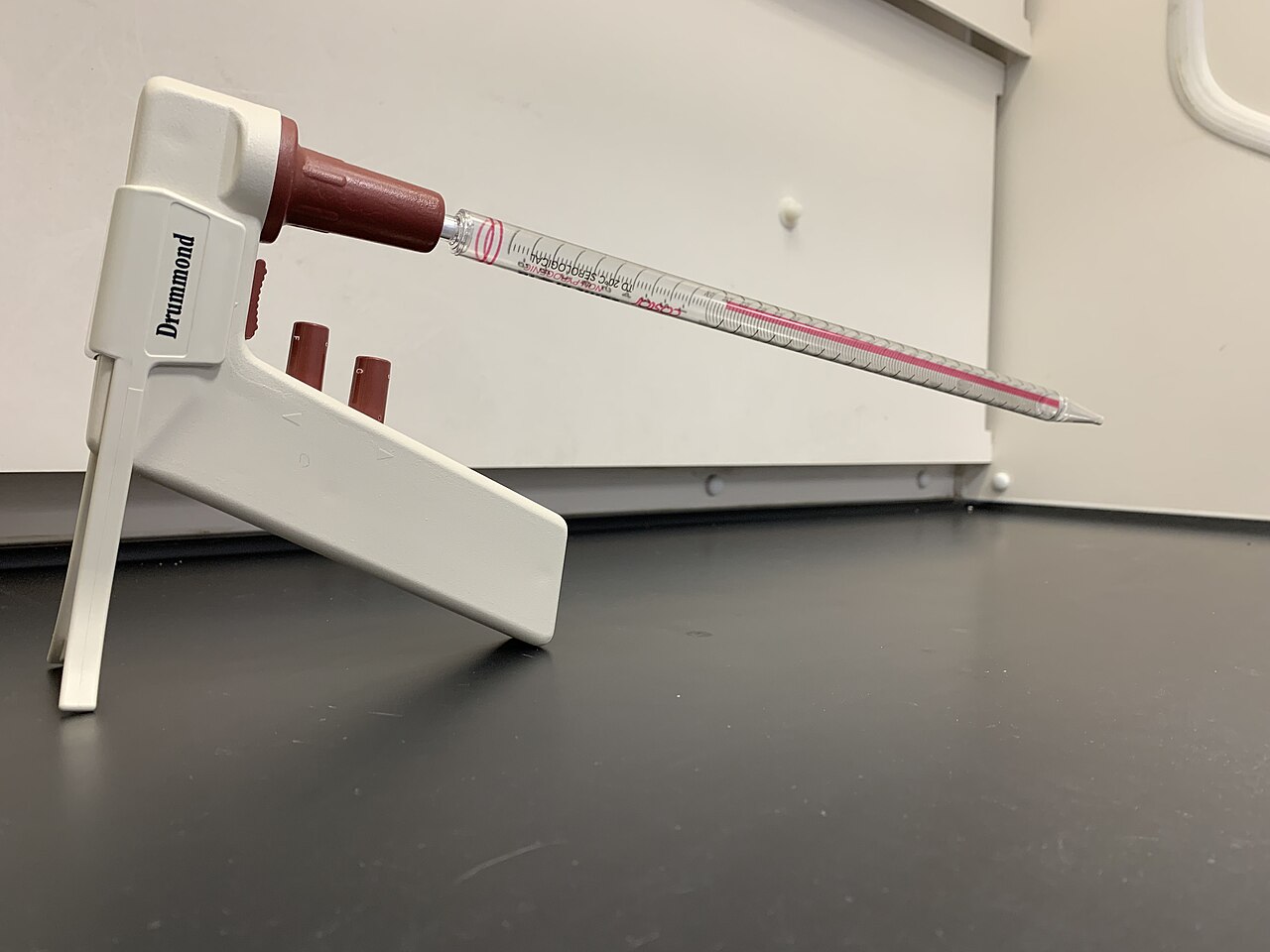 Preclinical aging biology
Added to Healthway:
Aging stem cells may drive chronic inflammation through maladaptive 'trained immunity'
New work identifies loss of the mitochondrial regulator SIRT3 in hematopoietic stem cells as a potential upstream driver of inflammaging.
Read article →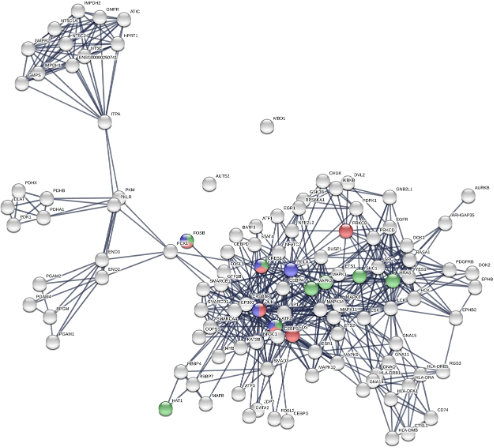 Computational network medicine
Added to Healthway:
Network map of 2,358 longevity-linked genes identifies drug-repurposing candidates for aging biology
Researchers mapped the molecular hallmarks of aging onto the human protein interactome and screened thousands of compounds computationally.
Read article →
Added to Healthway:
Human calorie-restriction study identifies a possible molecular link to lower 'inflammaging'
Proteomic analysis of CALERIE participants suggests that modest long-term calorie restriction may dampen complement-related inflammatory signalling.
Read article →
HEALTHWAY, ONE TAP AWAY

