
What happened?
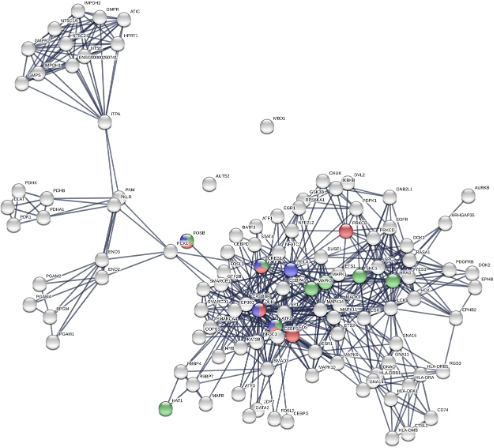
A Nature Aging study mapped 2,358 longevity-associated genes and 1,250 hallmark-associated genes onto a human protein-interaction network. The team evaluated 6,442 approved or experimental compounds and identified hundreds of candidates predicted to influence specific aging hallmarks, then used transcriptional signatures to estimate whether they might reverse or reinforce age-associated expression changes.
Why does it matter?
This is a more systematic way to generate testable longevity-drug hypotheses than selecting one fashionable pathway at a time. It also illustrates why aging is unlikely to have a single molecular switch.
How to interpret the evidence
The authors explicitly describe the evidence as primarily computational. Candidate drugs need laboratory validation, animal testing and ultimately clinical trials.
What remains uncertain?
It does not mean any of the predicted medicines are proven longevity drugs or should be taken off-label to slow aging.
Medical News provides general health education. Individual treatment decisions depend on your circumstances and the advice of your clinical team.