
What happened?
Since May 2026 WHO reports a rapidly expanding Bundibugyo virus disease outbreak in the Democratic Republic of the Congo. As of 3 November 2026 there were 10,668 confirmed cases and 5,198 deaths (crude CFR 48.7%), with active transmission in 51 of 67 affected health zones across eight provinces.
Why does it matter?
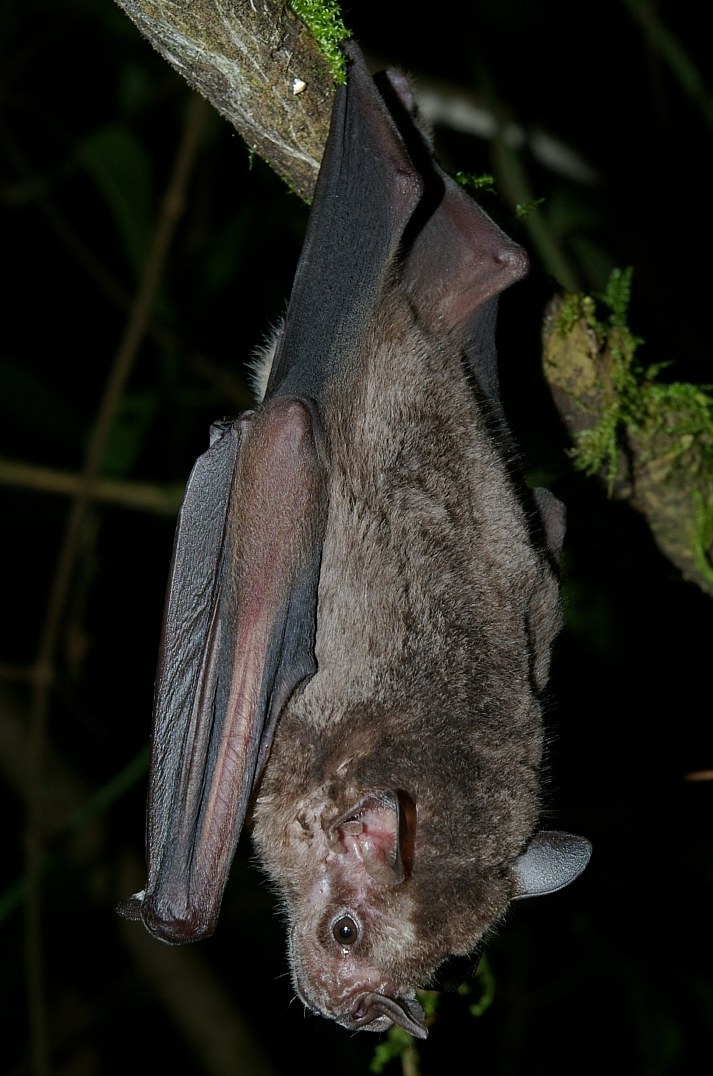
The virus is a zoonotic Orthoebolavirus likely originating from fruit bats and spreads by direct contact with infected bodily fluids and contaminated materials. Early symptoms are non‑specific, detection is delayed, and inadequate infection prevention and unsafe burials have amplified transmission, sustaining high community mortality.
How to interpret the evidence
People living in and moving through areas with active transmission are at highest risk. WHO notes cross‑border readiness remains important; two confirmed cases were medically evacuated to Switzerland and the UK. A Phase 2/3 vaccine trial (Tumaini) is under way and two candidates (ChAdOx1 and mRNA‑1469) were recommended for addition pending national approvals. EU/Malta applicability depends on national authorisations and local access.
What remains uncertain?
This report does not mean a licenced vaccine or specific treatment is currently available for Bundibugyo virus disease. WHO advises against travel or trade restrictions; the briefing is observational and does not replace local public health guidance or individual clinical advice.
Medical News provides general health education. Individual treatment decisions depend on your circumstances and the advice of your clinical team.
This summary was prepared with AI assistance and checked automatically against the linked primary source. It has not been individually reviewed by a clinician.


