
What happened?
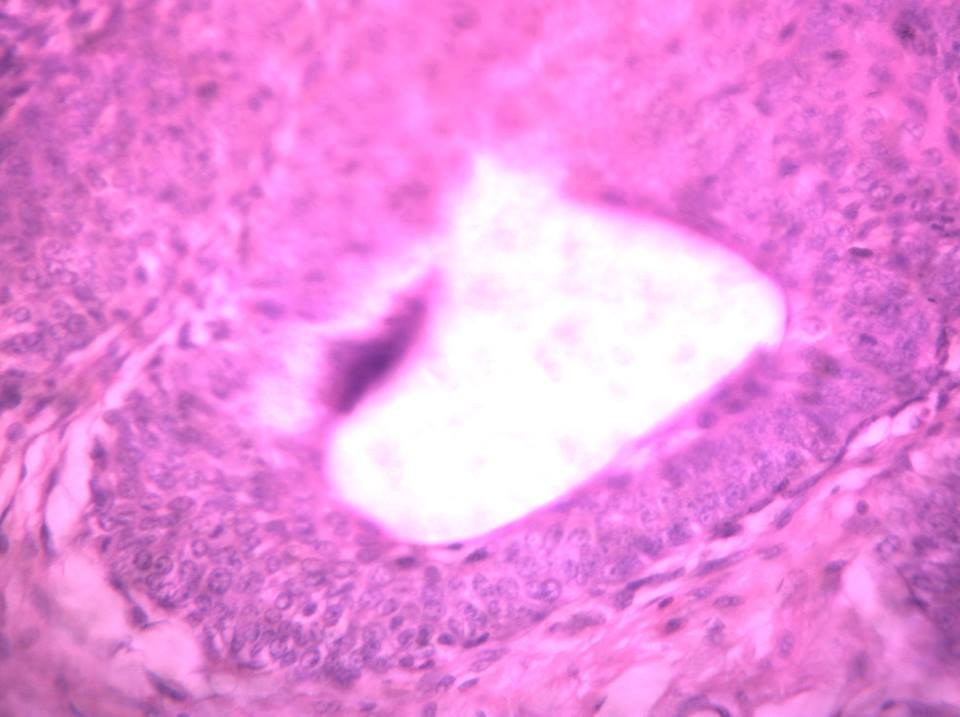
In a prospectively enrolled cohort analysed retrospectively, stromal VEGF‑C expression by immunohistochemistry was independently associated with lymph node metastasis after adjustment for established predictors. Script-based automated quantification agreed with manual scoring. Adding stromal VEGF‑C modestly improved nodal prediction models (AUC up to 0.784). Cancer cell VEGF‑C had no predictive value.
Why does it matter?
Accurate preoperative prediction of nodal status could allow safer omission of sentinel node surgery for low‑risk patients. Stromal VEGF‑C may provide information comparable to vascular invasion, a strong predictor that is often unavailable preoperatively, and so could enhance non‑invasive staging algorithms.
How to interpret the evidence
The analysis used primary tumour tissue from the Bone Marrow Metastasis cohort and validated an automated QuPath pipeline. Findings are promising but observational and derived from a defined study cohort. Clinical applicability in Malta/EU depends on independent prospective validation, standardised IHC assays and digital‑pathology workflows being available locally.
What remains uncertain?
This is not yet a clinically validated biomarker and should not replace established pathological assessment. Results are predictive and observational; prospective clinical validation and assay standardisation are required before using stromal VEGF‑C to guide axillary surgery decisions.
Medical News provides general health education. Individual treatment decisions depend on your circumstances and the advice of your clinical team.
This summary was prepared with AI assistance and checked automatically against the linked primary source. It has not been individually reviewed by a clinician.


