
What happened?
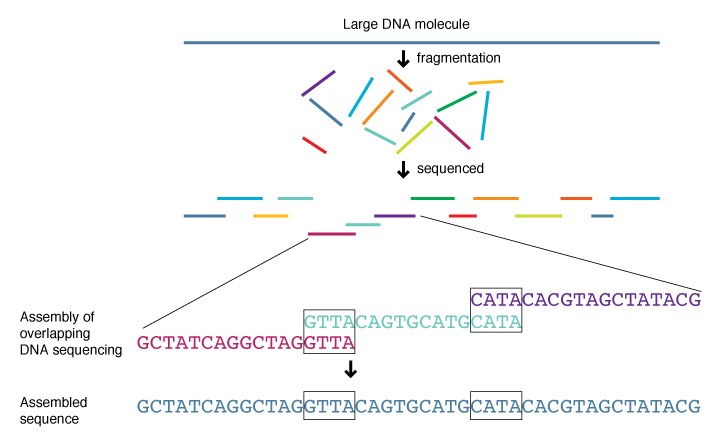
A Manchester-led study (BRACELET-BM) is collecting breast milk and blood from 40 lactating women (25 general-risk, 15 high-risk) to look for cancer-related DNA in breast milk, create a biofluid biobank and develop practical collection, processing and storage protocols for future research.
Why does it matter?
Pregnancy-related breast cancer is often diagnosed late and imaging can be unreliable during pregnancy and lactation. Detecting tumour-derived DNA in breast milk might offer a non‑invasive, breast‑specific sample that could help find cancers earlier in this group of women.
How to interpret the evidence
This is an early recruitment and methods study analysing tiny DNA fragments in donated milk; it aims to establish sample handling, timing and acceptability rather than to validate a screening test. Findings will need larger, independent studies before any clinical use in the UK, EU or Malta can be considered.
What remains uncertain?
This report does not show an available or validated breast‑milk screening test, nor prove improved outcomes. It examines feasibility and sample characteristics; the technique’s diagnostic accuracy, safety, regulatory status and local availability remain unestablished.
Medical News provides general health education. Individual treatment decisions depend on your circumstances and the advice of your clinical team.
This summary was prepared with AI assistance and checked automatically against the linked primary source. It has not been individually reviewed by a clinician.