What happened?
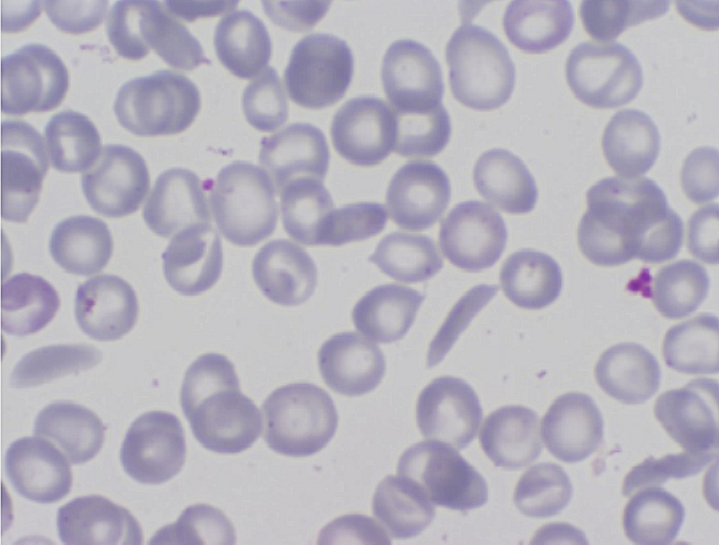
The FDA expanded Casgevy (exagamglogene autotemcel) to patients aged two years and older with recurrent vaso-occlusive crises from sickle cell disease or with transfusion-dependent β-thalassaemia.
Why does it matter?
Treating severe inherited blood disease earlier may potentially reduce years of cumulative organ injury and treatment burden. Casgevy is also a landmark application of CRISPR/Cas9 genome editing in clinical medicine.
How to interpret the evidence
This remains transplant-level therapy: stem-cell collection, gene editing, myeloablative conditioning, reinfusion and specialist long-term follow-up are required. The risk-benefit calculation is substantial.
What remains uncertain?
It is not a simple injection and it does not mean every young child with sickle cell disease or β-thalassaemia should undergo gene editing.
Medical News provides general health education. Individual treatment decisions depend on your circumstances and the advice of your clinical team.