
What happened?
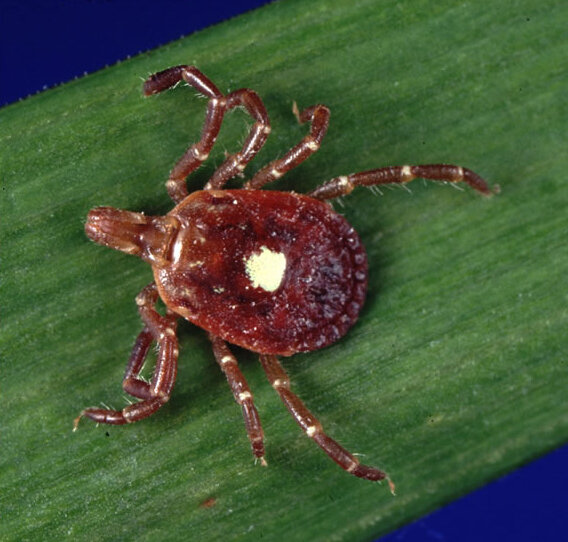
A research team studied monoclonal antibodies against alpha-gal, the sugar linked to an allergy that can follow certain tick bites. Two antibodies blocked patients’ IgE from attaching to some alpha-gal allergens; one also reduced activation of immune cells called basophils.
Why does it matter?
The findings suggest a possible way to interrupt the allergic response and provide a starting point for developing more targeted approaches.
How to interpret the evidence
These are laboratory findings. Blocking a reaction in an experimental system is different from demonstrating that treatment safely prevents allergic reactions in people.
What remains uncertain?
The work does not establish an available antibody treatment for alpha-gal syndrome. Clinical studies are still needed, and patients should continue their existing allergy management plan.
Medical News provides general health education. Individual treatment decisions depend on your circumstances and the advice of your clinical team.