
What happened?
The CDC page summarises current activity of respiratory bacteria and viruses other than COVID-19, influenza and RSV. It notes increased rhinovirus/enterovirus activity, a recent rise then decline in group A strep reports, and generally low Mycoplasma pneumoniae levels. It lists seasonality, risk groups and prevention advice for multiple pathogens.
Why does it matter?
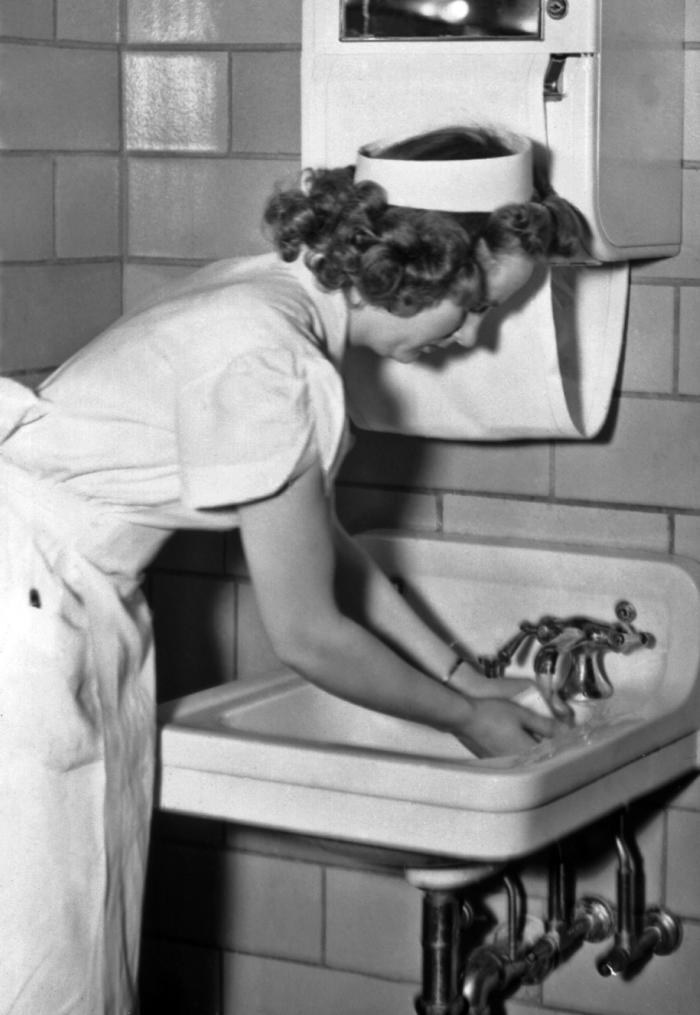
Tracking these pathogens helps public health detect unusual increases that could burden healthcare services and to guide prevention messages. The information highlights groups at higher risk of severe disease and reinforces routine measures such as hand hygiene, cleaner indoor air and staying home when unwell.
How to interpret the evidence
The findings are based on US surveillance systems (ED visits, lab networks) and reflect national patterns; local circulation may differ. Data completeness and diagnostic testing vary by pathogen, creating uncertainty about exact incidence. The report describes risks and prevention broadly and does not indicate changes in EU or Maltese approvals or availability of diagnostics or vaccines.
What remains uncertain?
This summary does not mean new treatments or vaccines were approved, nor that all listed germs are currently increasing everywhere. It is a surveillance overview, not individual clinical advice; diagnosis and management require a healthcare assessment and local public health guidance.
Medical News provides general health education. Individual treatment decisions depend on your circumstances and the advice of your clinical team.
This summary was prepared with AI assistance and checked automatically against the linked primary source. It has not been individually reviewed by a clinician.