
What happened?
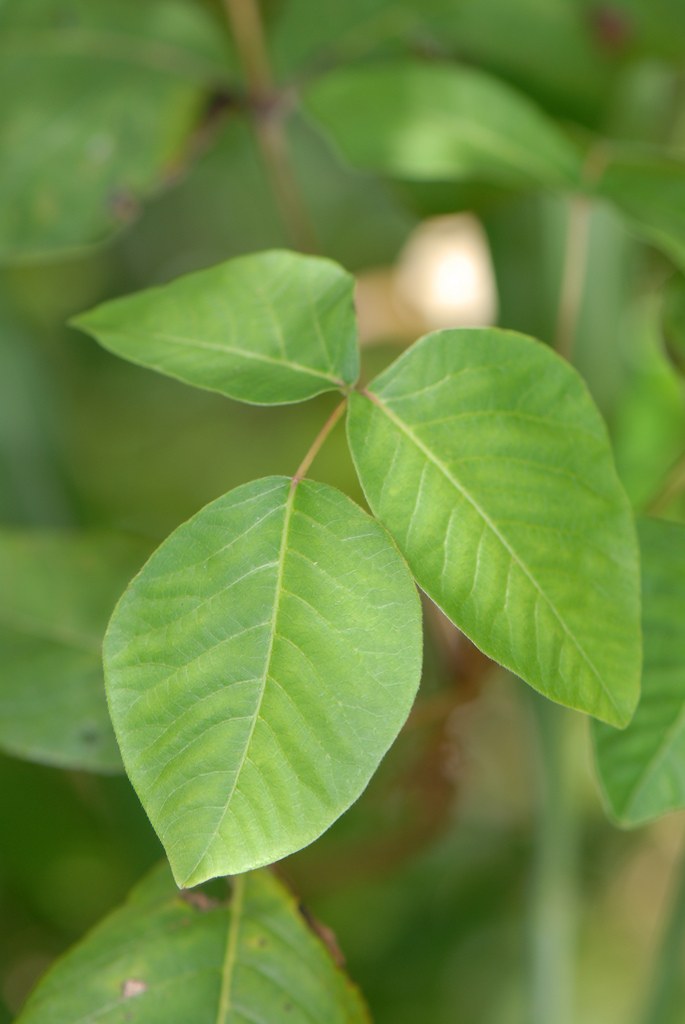
NIOSH/CDC explains that poison ivy, poison oak and poison sumac release an oil (urushiol) that causes allergic contact dermatitis in most exposed adults. Typical signs are a red, itchy rash with bumps, streaking or blisters. Poison sumac often has 7–13 leaflets; ivy and oak often have groups of three.
Why does it matter?
Workers who spend time outdoors — for example farmers, landscapers, construction crews, forestry workers and firefighters — can touch contaminated plants, tools, clothing or inhale smoke from burning plants. Inhaling smoke can cause respiratory irritation and more severe allergic reactions.
How to interpret the evidence
Employers should train staff to identify risky plants, provide protective clothing and cleaning supplies, and implement respiratory protection programs where respirators are needed. NIOSH advises barrier creams (bentoquatam) may offer some protection and recommends cleaning contaminated items and using appropriate NIOSH-certified respirators for smoke exposure.
What remains uncertain?
This guidance describes risks and prevention but does not imply new drug approvals or local availability. Material uncertainty includes regional species variation and that maps and regulations are US-based; applicability in the EU or Malta depends on local species, workplace rules and access to specified equipment and programmes.
Medical News provides general health education. Individual treatment decisions depend on your circumstances and the advice of your clinical team.
This summary was prepared with AI assistance and checked automatically against the linked primary source. It has not been individually reviewed by a clinician.