
What happened?
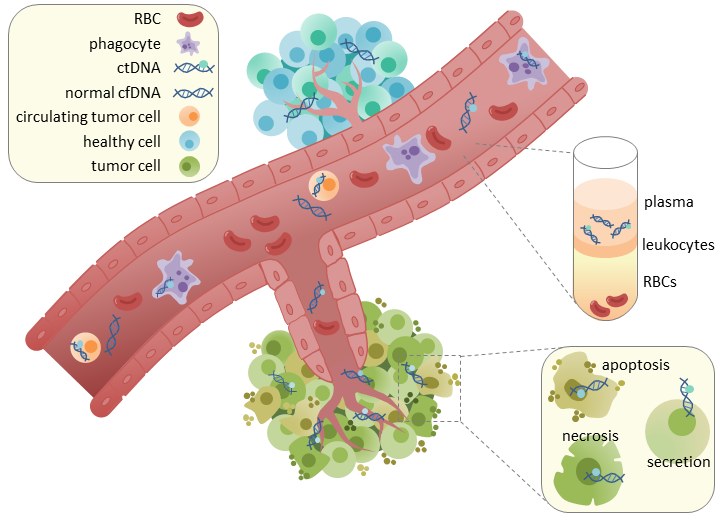
Researchers analysed 15,564 plasma cell‑free DNA samples from 12,827 patients with metastatic breast cancer, sequenced with Guardant360 and classified by a trained model. Most patients had variants linked to therapeutic resistance or potential targetability, notably in PIK3CA, ESR1, PTEN and AKT1. Multiple variants per gene and allele co‑behaviours suggest independent resistant clones and shifting tumour genomics.
Why does it matter?
Plasma cfDNA is a sensitive, non‑invasive way to monitor tumour heterogeneity and evolution across metastatic sites. The large dataset highlights how frequently actionable or resistance alterations appear in advanced disease and may inform biomarker selection and eligibility assessment for clinical trials rather than immediate treatment decisions.
How to interpret the evidence
The cohort is large but derived from commercial cfDNA testing (Guardant360), which may reflect practice settings and populations different from Malta or the EU. Availability of the same tests, reporting and access to related targeted therapies or trials varies by country. Findings are useful for research and trial design, but representativeness and local applicability are uncertain.
What remains uncertain?
This study does not demonstrate that using cfDNA‑guided treatment improves outcomes; it is observational and descriptive. It does not imply all listed therapies are approved or available locally in Malta/EU, nor that individual patients should start or stop treatments based on these results without clinical assessment.
Medical News provides general health education. Individual treatment decisions depend on your circumstances and the advice of your clinical team.
This summary was prepared with AI assistance and checked automatically against the linked primary source. It has not been individually reviewed by a clinician.