
What happened?
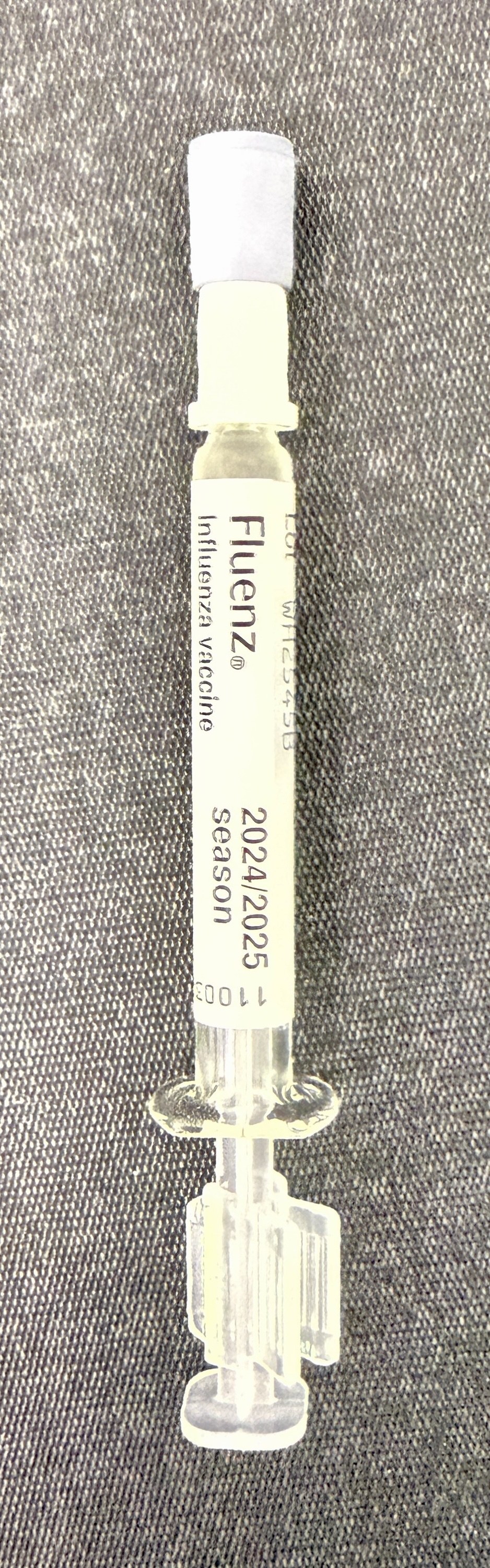
The US Centers for Disease Control and Prevention updated its guidance on vaccines before, during and after pregnancy. It recommends pregnancy vaccination against pertussis (27–36 weeks), seasonal influenza (by end of October) and offers options for maternal RSV vaccination (32–36 weeks during Sept–Jan). COVID‑19 vaccination for adults is reaffirmed; other vaccines depend on risk and history.
Why does it matter?
Pregnant women are at higher risk of severe illness from influenza and COVID‑19; newborns are especially vulnerable to pertussis and RSV but too young to be vaccinated. Maternal vaccination boosts antibodies passed to the infant, offering early protection during the first months of life.
How to interpret the evidence
This is US national guidance based on risk to pregnant women and newborns. Recommendations reflect timing windows and seasonal considerations and may be adapted locally. Availability, licensing and scheduling of specific vaccines can differ in the EU and Malta; local health authorities should be consulted for national implementation and access.
What remains uncertain?
This guidance does not imply all listed vaccines are universally required or available everywhere. It describes timing and considerations, not individual clinical decisions. It does not replace personalised medical advice, and local vaccine approvals, availability and travel vaccine rules may vary.
Medical News provides general health education. Individual treatment decisions depend on your circumstances and the advice of your clinical team.
This summary was prepared with AI assistance and checked automatically against the linked primary source. It has not been individually reviewed by a clinician.