
What happened?
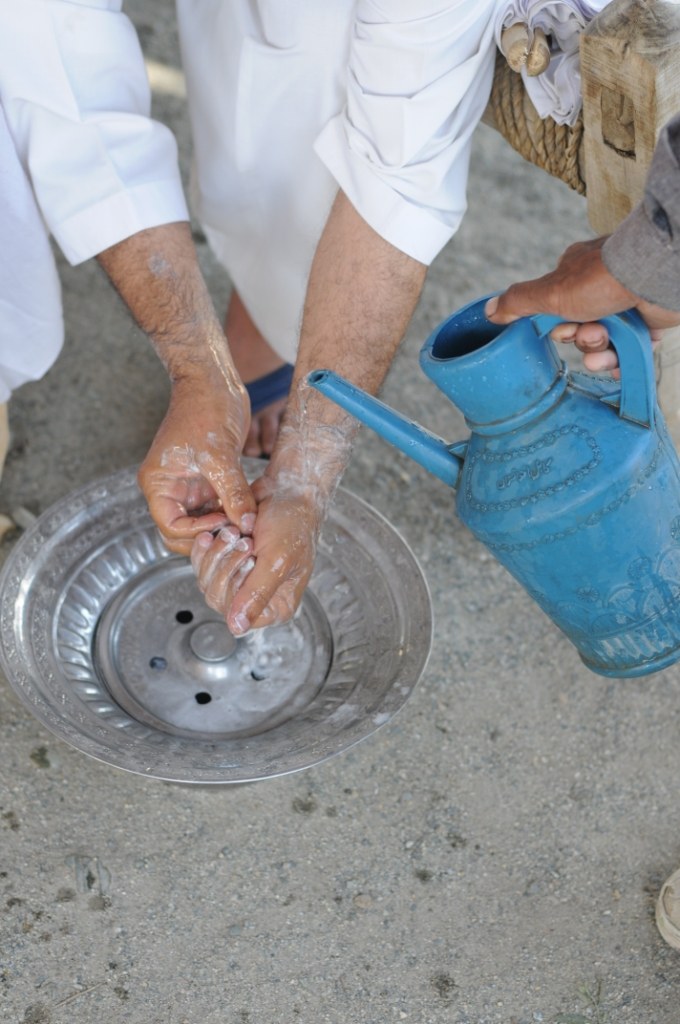
The European Centre for Disease Prevention and Control notes that influenza, RSV, COVID‑19 and pneumococcal disease circulate more in colder months and can cause serious illness. It advises staying up to date with vaccinations, practising hand and respiratory hygiene, avoiding exposing others when ill, ventilating indoor spaces and consulting healthcare providers, especially for pregnant people and those with chronic conditions.
Why does it matter?
Pregnant people, young children, older adults and those with weakened immunity face higher risk of severe disease and hospitalisation from these infections. Vaccination reduces the likelihood of severe outcomes, while hygiene and ventilation lower transmission in households and healthcare settings.
How to interpret the evidence
The guidance applies across EU countries but follows national immunisation recommendations. For Malta this means checking local vaccine advice and availability. Evidence is broad public‑health guidance rather than new clinical trial results, so recommendations reflect established preventive measures and variable national policies.
What remains uncertain?
This is advisory public‑health guidance, not a new drug approval or clinical trial result. It does not specify vaccines available locally, provide dosing, or replace personalised medical advice — pregnant people and those with health conditions should consult their healthcare provider about individual risks and national vaccine recommendations.
Medical News provides general health education. Individual treatment decisions depend on your circumstances and the advice of your clinical team.
This summary was prepared with AI assistance and checked automatically against the linked primary source. It has not been individually reviewed by a clinician.


