
What happened?
WHO reports the first laboratory‑confirmed human infection with Shamonda virus: an immunocompromised older man in eastern France developed severe encephalitis in September 2026 and died. SHAV RNA was detected by metagenomic sequencing and RT‑PCR with high viral loads in tissues. Widespread SHAV circulation in European animals was documented at the time.
Why does it matter?
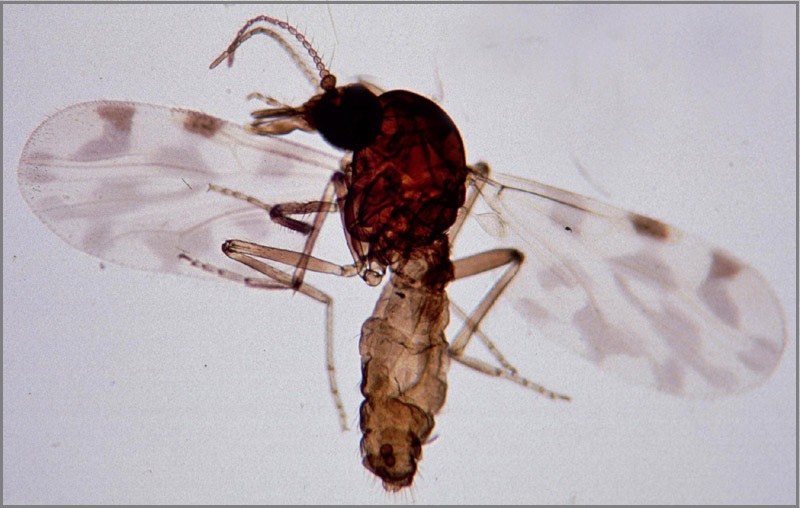
This single confirmed case shows SHAV can infect a human, but the public‑health risk is uncertain. Vector‑borne transmission (likely midges) is considered plausible; food‑borne and other routes are under investigation. WHO advises continued One Health surveillance and further investigation of transmission and clinical spectrum.
How to interpret the evidence
The finding originates from one severely immunocompromised patient and cannot be extrapolated to the general population or to immunocompetent people. Although SHAV was widespread in European livestock in 2026, that does not prove human transmission is common. EU and Maltese relevance depends on local animal circulation and vector presence; no assumptions about local availability of diagnostics or interventions should be made.
What remains uncertain?
This report does not demonstrate sustained human‑to‑human spread, nor does it confirm transfusion or foodborne transmission; those possibilities remain under investigation. It does not indicate vaccine or treatment availability. Ongoing surveillance and laboratory studies are needed before changing public‑health policy.
Medical News provides general health education. Individual treatment decisions depend on your circumstances and the advice of your clinical team.
This summary was prepared with AI assistance and checked automatically against the linked primary source. It has not been individually reviewed by a clinician.


