
What happened?
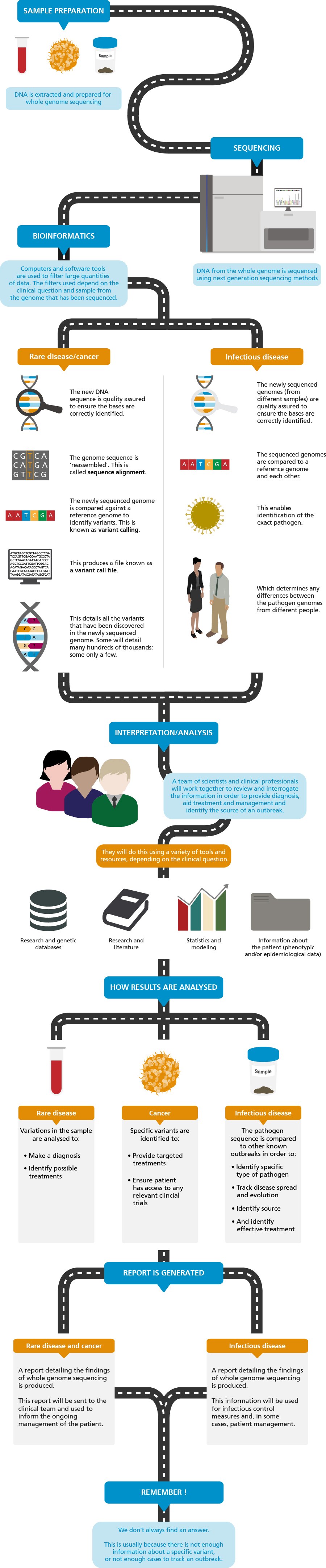
The European Centre for Disease Prevention and Control published a protocol for a EURGen‑Net pilot survey to perform genomic surveillance of carbapenem‑resistant Enterobacter cloacae complex (CRECC). The document proposes methods for sample selection, sequencing and analysis to detect carbapenemase genes and assess the spread of CRECC across participating EU/EEA laboratories.
Why does it matter?
ECDC notes rising carbapenem resistance and reports of high‑risk CRECC clones, plasmid‑mediated carbapenemase spread, and cross‑border outbreaks. The protocol aims to fill gaps left by prior surveys that focused largely on Klebsiella and E. coli and to inform regional detection and response.
How to interpret the evidence
The protocol targets EU/EEA surveillance networks and laboratory partners; findings will depend on which countries join and the samples submitted. Results are relevant to Malta insofar as national laboratories participate, but publication does not imply new local services or immediate access to specific tests in Malta.
What remains uncertain?
This protocol is a plan for a 2027 pilot survey and not a regulatory approval, clinical guideline or new treatment. It does not itself provide prevalence estimates for individual countries or guarantee participation by all EU/EEA states.
Medical News provides general health education. Individual treatment decisions depend on your circumstances and the advice of your clinical team.
This summary was prepared with AI assistance and checked automatically against the linked primary source. It has not been individually reviewed by a clinician.