
What happened?
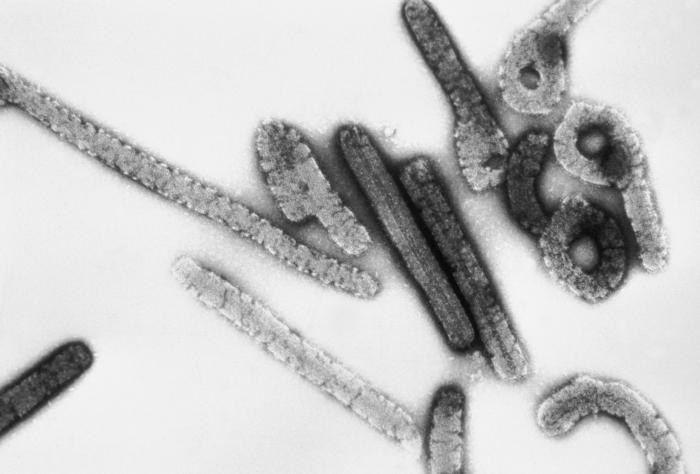
ECDC reports an ongoing outbreak of Ebola disease caused by Bundibugyo ebolavirus centred in the Democratic Republic of the Congo (DRC). As of 20 October 2026 DRC reported 9 637 confirmed cases and 4 646 deaths. Recent imported cases were confirmed in Kenya and Nigeria; nine confirmed cases were reported in Kenya by 21 October.
Why does it matter?
Transmission in DRC continues across multiple provinces and the outbreak may be larger than detected because of insecurity and surveillance gaps. Bundibugyo virus differs from the more common Zaire ebolavirus and currently has no licensed specific vaccines or therapeutics, increasing uncertainty for control measures.
How to interpret the evidence
ECDC judges the infection likelihood for EU/EEA residents or travellers in affected DRC areas as low, and the chance of importation or onward spread in the EU/EEA as very low. The agency is monitoring events, liaising with partners and advising targeted screening and traveller information rather than blanket travel bans.
What remains uncertain?
Very low EU/EEA risk does not guarantee zero cases; rare imported or medically evacuated cases have occurred previously. The assessment depends on current surveillance, evolving epidemiology and access to public health measures. EU/EEA applicability may be limited where clinical evacuation or specialised isolation is needed and local access to candidate vaccines is uncertain.
Medical News provides general health education. Individual treatment decisions depend on your circumstances and the advice of your clinical team.
This summary was prepared with AI assistance and checked automatically against the linked primary source. It has not been individually reviewed by a clinician.


