
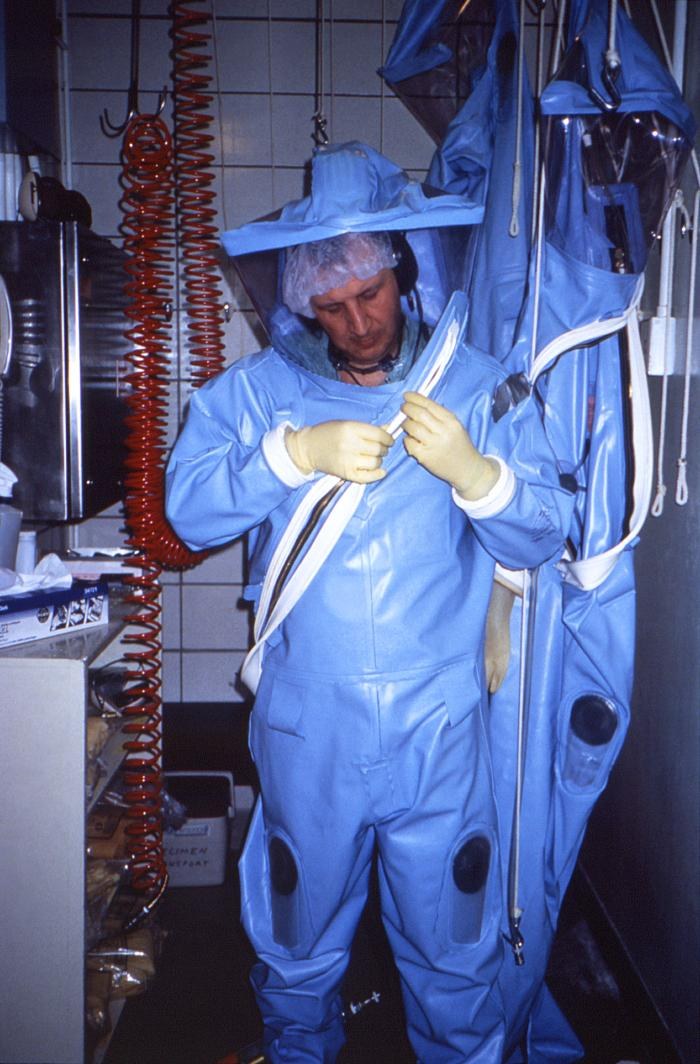
What happened?
The US CDC updated guidance for patients suspected of having a viral haemorrhagic fever (VHF) or other high‑consequence disease emphasises early screening, isolation and rapid notification of public health authorities. It advises simultaneous routine diagnostic testing (for example, blood counts, chemistries and tests for common causes such as malaria) while VHF testing is considered.
Why does it matter?
Because true VHF cases are rare and many returning travellers have more common illnesses, timely identification of alternative causes and access to routine laboratory tests are essential for appropriate care and to reduce unnecessary infection control escalation. Clinical teams should coordinate testing decisions with public health officials.
How to interpret the evidence
The guidance is US‑based and recommends contacting jurisdictional health departments and CDC specialists (Viral Special Pathogens Branch available 24/7) to assess risk and testing need. Clinical labs can perform routine diagnostics under standard precautions, but local laboratory roles, referral pathways and legal requirements in EU/Malta may differ and are not specified.
What remains uncertain?
This CDC guidance does not state that VHF testing is routinely available everywhere, nor does it change national or local testing approvals or availability. It does not provide treatment recommendations or dosing and should not be taken as clinical management directives without local public health coordination.
Medical News provides general health education. Individual treatment decisions depend on your circumstances and the advice of your clinical team.
This summary was prepared with AI assistance and checked automatically against the linked primary source. It has not been individually reviewed by a clinician.